Digital Rights: Posts

Excerpt: The Case for Technological Solutions to Digital Rights

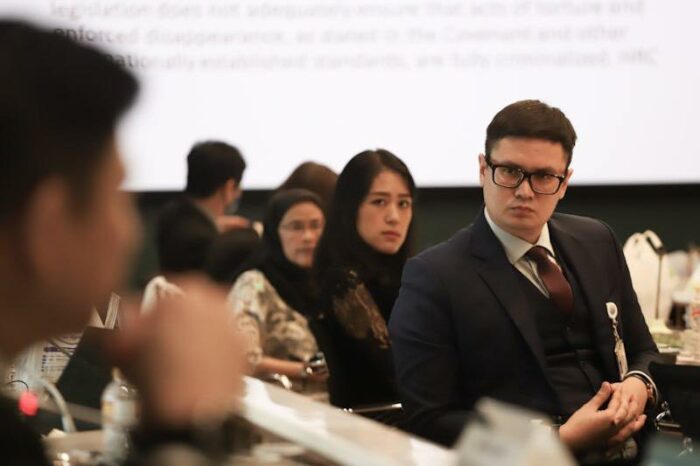
What does it mean when technologists say “you can code anything”? In her inaugural article for The IO Foundation, Maryam Lee shares her thoughts on why human rights perspectives have the potential to move technological innovation to greater heights. She also argues that people do not need to choose between enjoying the latest technologies and human rights, and how they both could co-exist in our lives.
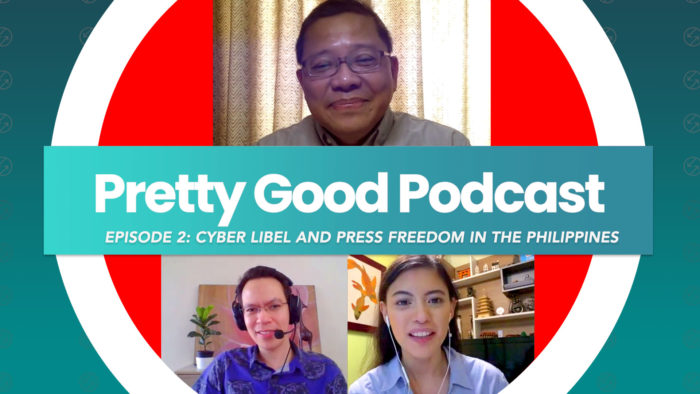
Pretty Good Podcast Episode 2: Cyber libel and press freedom in the Philippines

Pretty Good Podcast Episode 2: Cyber libel and press freedom in the Philippines

The second episode of Pretty Good Podcast delves deeper into the Philippine court cyber libel ruling against journalists Maria Ressa and Reynaldo Santos Jr. of Rappler, a Philippine news organisation known to be critical of incumbent President Rodrigo Duterte. We ask John Nery, a columnist for the Philippine Daily Inquirer and co-founder of the Consortium on Democracy and Disinformation: What does this case mean for press freedom, and what are the wider implications of this ruling for freedom of expression online?

วิถีการต่อต้านโดยคนรุ่นใหม่ในโลกออนไลน์: ขบวนการนักศึกษาไทยกับการเคลื่อนไหวทางการเมืองในยุคโควิด

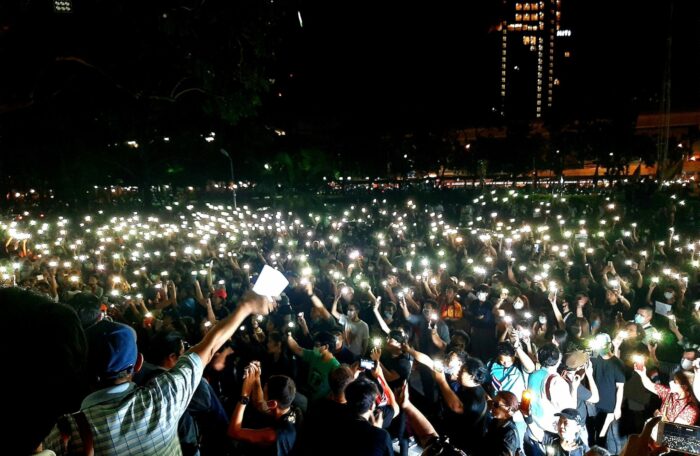
ความหวังที่จะเห็นการเปลี่ยนแปลงทางการเมืองของไทยเริ่มเกิดขึ้นอีกครั้งในช่วงต้นปี 2563 จากการเคลื่อนไหวของคนรุ่นใหม่หลังศาลรัฐธรรมนูญวินิจฉัยยุบพรรคอนาคตใหม่เมื่อวันที่ 21 กุมภาพันธ์ ได้จุดไฟกระแสความไม่พอใจที่มีต่อรัฐบาลของ พล.อ.ประยุทธ์ จันทร์โอชา ที่ดำรงตำแหน่งนายกรัฐมนตรีมาตั้งแต่เหตุการณ์รัฐประหารปี 2557 จนนำไปสู่กระแสกิจกรรมแฟลชม็อบ (Flash mob) ที่ดำเนินไปเป็นไฟลามทุ่งโดยกลุ่มนักศึกษาในหลายสถาบันทั่วประเทศ จากสถิติของศูนย์ทนายความเพื่อสิทธิมนุษยชนที่บันทึกเหตุการณ์ช่วงระหว่างวันที่ 21 กุมภาพันธ์จนถึง 14 มีนาคม 2563 พบว่า มีการจัดกิจกรรมชุมนุมในลักษณะแฟลชม็อบ เพื่อเรียกร้องประชาธิปไตยและต่อต้านเผด็จการอย่างน้อย 79 ครั้งที่เกิดในพื้นที่มหาวิทยาลัยจากทั่วประเทศ

Thai student protesters in the time of COVID-19: New generation, new forms of resistance online

Hope for political change in Thailand has grown stronger in 2020 after a wave of student protests across the country followed the constitutional court’s dissolution of the opposition Future Forward Party. This wave of protests, dubbed the “youthquake” phenomenon, is reflective of the political awareness among the Thai youth. Despite the ban on public assembly, the youth have taken to platforms online and offline to vent out their frustrations. Online, however, the Thai youth continue to protest, using social media to voice out their criticisms against the government.

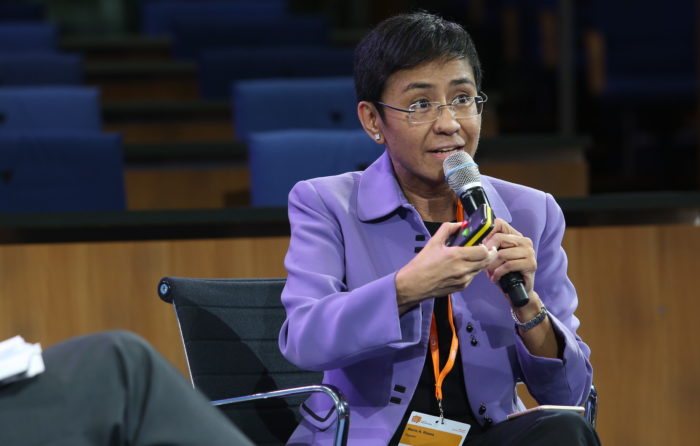
Maria A. Ressa, Chief Executive Officer, The Rappler, Philippines

The conviction of Maria Ressa: weaponising cyber libel to suppress freedom of speech

On June 15, 2020, online news organization Rappler’s CEO and executive editor Maria Ressa and former Rappler researcher-writer Reynaldo Santos Jr. were convicted of cyber libel charges over a seven-year-old report on a businessman’s alleged links to illegal drugs and human trafficking. The ruling, which can still be appealed and brought up to the Supreme Court, is the most recent addition to a growing list of attacks on press freedom and freedom of expression in the Philippines.

Monitoring the ruling vs 2019 internet shutdowns in Papua and West Papua

Earlier this month, the Jakarta State Administrative Court declared as illegal the internet shutdowns in Papua and West Papua enforced by the Indonesian government in 2019. The case on the month-long shutdown, from August 19 to September 28 last year, was filed by a coalition of civil society groups working in Southeast Asia. The victory of the Press Freedom Defender Team over the lawsuit against the Minister of Communication and Information and the President of the Republic of Indonesia, is a good example of how citizens can respond to government’s unlawful management of public communication infrastructure like the Internet.